


K-drama Review #1: It's Okay To Not Be Okay (2020)
- Rachel Joyce Burce
- Sep 28, 2020
- 4 min read

Updated: Jul 20, 2025
Disclaimer: If you haven’t watched this series yet, you can opt to skip this piece to avoid any form of spoilers. Also, please expect that we might have different perspectives on some aspects of the show.
I remember putting on hold watching It’s Okay To Not Be Okay when it was still ongoing since I’m more of a binge-watching type of viewer. It was hard for me to suppress my curiosity back then, as this K-drama series had trended on social media and was always at the top spot in Netflix Philippines every time an episode was released. I even muted the trending hashtags and keywords on Twitter, to save myself from being spoiled even a bit. I scrolled past my friends’ tweets about the show for some time too. As of this writing, which is already more than a month from the show’s conclusion, the series is still staying strong at the ninth spot in Netflix PH.
So, was it worth the hype and attention? Let me share my two cents on this.
Pros
I remember silently crying during the last episode. I think the way they presented the ending was balanced and well-crafted. It was everything my heart and mind needed as the conclusion. I loved how they made sure that every character had their own development and closure in the end.
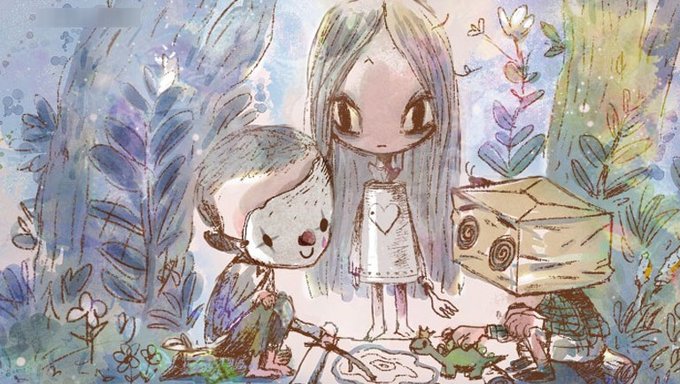
I also appreciated how they presented fairytales in a different light through Ko Munyeong’s children’s books. It's good that they debunked how people usually view the moral of fairytales or most children's stories. Yet, they still showed that despite the underlying 'darkness' in the overall theme, there is still innate goodness within people. It showed how our reason and emotions either clash or go hand-in-hand in certain situations.
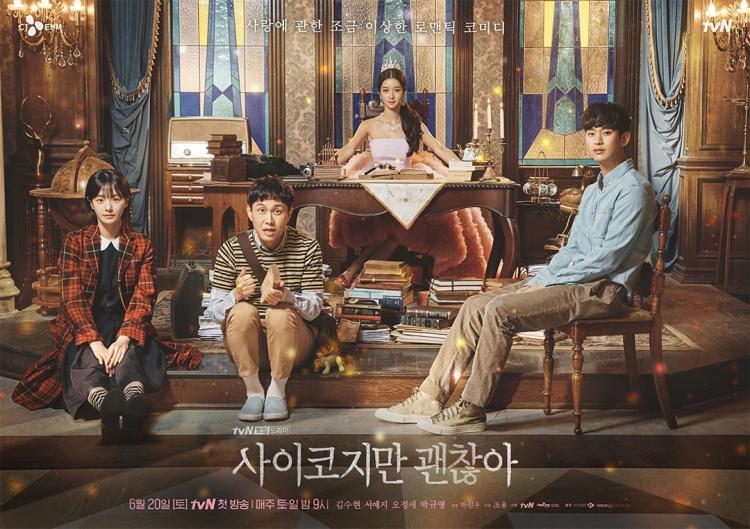
The first few episodes came off as unsettling to me, which I reckon was because of how well each character played their role. The empty gazes of the lead actors Seo Ye-ji and Kim Soo-hyun, who were playing Ko Munyeong and Moon Gang-tae, during the initial episodes were so haunting. Even though I felt generally bothered, it wasn't an issue to me, since it means my mind and feelings were being stimulated. I was triggered to react to the stimulus, which was their superb portrayal of their roles. Hats off as well to Oh Jung-se, who acted as Moon Sang-tae, as he’s such a charmer and a heartbreaker with his performance.
Also, the cinematography was on point, with the appropriate amount of color grading to fit the mood in each scene. I liked how the Ok Psychiatric Hospital was situated in the countryside with a picturesque view and a calming atmosphere. I also noticed that it’s commonplace for Koreans to have rooftop houses, based on most of the K-drama series I’ve watched so far. They have that as their breathing space, where they usually gather to converse about their dilemmas in life or just individually contemplate on things. I also commend how well the illustrations, animations, and effects were used (I was particularly amazed by the castle set, as it looked real).
Further, I appreciated their attempt to convey their premise about the importance of understanding people's differences and struggles, resonating their title's message, 'It's Okay To Not Be Okay.' They presented scenarios on how we should also consider even those who we think are lacking in understanding other people, particularly the shortcomings of the ones we cherish the most, such as our parents. I’ll highlight the seventh episode specifically, as it was the most relatable to me. I broke down into tears witnessing Gang-tae struggling to come into terms of how he has been feeling about his mother. Gang-tae has always thought that their mother only loved and cared for his brother Sang-tae, without him knowing that she had her own love language to him. I felt how Gang-tae got consumed by his envy towards his older brother while growing up, which led to his resentment towards their mother even after her passing.
Cons
While there were many areas I commend in this series, I somehow found the climax to be lacking. I was bothered by the fact that the show is presenting how people are undergoing treatment for different kinds of mental health disorders and concerns, yet the main characters themselves didn't even undergo proper counseling and professional help. You may have a different take on this, but I think what Munyeong and Gang-tae experienced through the years, even from their traumatic experiences from childhood, seriously needed medical attention.
I was also quite disturbed in some parts that showed a swift progression of their emotions, such as that day when Gang-tae learned that it was Munyeong’s mother who killed his own mom. I felt that it didn’t give much justice on Gang-tae knowing the truth and dealing with its repercussions, since they showed him already participating in their family picture the next day.
The way the backstory of Munyeong’s mother, Do Hui Jae (portrayed by Young-nam Jang), was presented seemed insufficient too. The build-up on her character was so intense, yet, the reason for her killing lacked depth. I'm wondering what type of disorder did she has, as it wasn’t further explained or presented. Is Hui Jae a psychopath of some kind? I think more details should have been presented as their family is somewhat the core of the story. It just didn’t sit well with me to be left with so many questions just like that. But yeah, it could be their way of letting us, the viewers, figure out and resolve the conflicts within ourselves, right?
Finally, call me a hypocrite, but I was also not fond of how majority of the characters patronized the stereotypes of beauty. People were swooning over Gang-tae. Even though he acted harshly at times, they just let it pass because he’s physically appealing based on their standards. This is contrary to how the publisher Lee Sang-in was treated. He was even told by his assistant Yoo Seung-jae that he’s not good enough compared to Gang-tae, as he apparently lacked the most important quality in a person, which is a pleasing physical appearance.
Still, I appreciate the general vision of the story. It effectively aroused emotions and made people have discussions about their mental health. So, for the sake of a rating, I'd give this 7/10.
Photos grabbed from pinkvilla.com and kpopmap.com.




Comments